 Hard Hat Dumpster Rental
Los Angeles Dumpster Size Guide
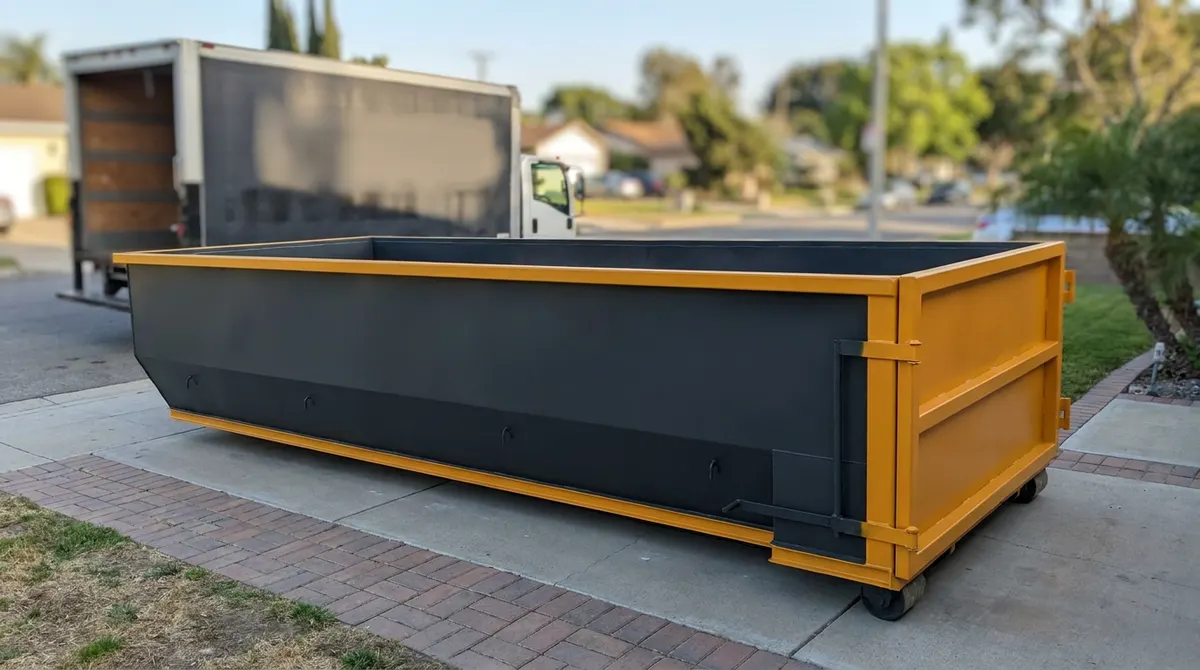
Selecting the correct dumpster size for a project in Los Angeles, CA, is crucial for efficient waste removal and cost management. Dumpster sizes are measured in cubic yards, representing the total volume of debris they can hold. Common sizes available for rental in Los Angeles include 10, 15, 20, 30, and 40-yard containers, each suited for different project scopes from small home cleanouts to large-scale construction demolitions. Understanding the typical debris volume generated by various projects helps prevent under-ordering, which can lead to additional costs, or over-ordering, which results in paying for unused capacity.
Dumpster Size Chart by Project Type
This chart outlines typical dumpster sizes recommended for common projects across Los Angeles, considering factors like debris type and estimated volume. Understanding these general guidelines helps in initial planning. <table><thead><tr><th>Dumpster Size</th><th>Approx. Capacity (Pickup Loads)</th><th>Ideal Project Types in Los Angeles</th></tr></thead><tbody><tr><td><strong>10 Yard</strong></td><td>~4 pickup loads</td><td>Small garage cleanouts, single-room renovations, concrete removal (small scale), dirt removal (small scale), yard waste cleanup in areas like Mar Vista.</td></tr><tr><td><strong>15 Yard</strong></td><td>~6 pickup loads</td><td>Medium bathroom remodels, kitchen cabinet removal, deck demolition (small), concrete removal (medium), landscaping projects in Silver Lake.</td></tr><tr><td><strong>20 Yard</strong></td><td>~8 pickup loads</td><td>Full basement or attic cleanouts, roofing projects (single-layer shingles on a 2,000 sq ft home), larger landscaping, multi-room renovations in Boyle Heights.</td></tr><tr><td><strong>30 Yard</strong></td><td>~12 pickup loads</td><td>Major home additions, full-home cleanouts, commercial cleanouts, new home construction, large demolition projects in Van Nuys.</td></tr><tr><td><strong>40 Yard</strong></td><td>~16 pickup loads</td><td>Large construction sites, commercial building demolition, significant property cleanouts, multi-home construction developments, large-scale brush clearance.</td></tr></tbody></table>
Matching Volume to Your Debris
Properly matching the dumpster's cubic yard volume to the project's expected debris volume is essential for cost-effective waste management. A 10-yard dumpster measures approximately 12 feet long, 8 feet wide, and 3.5 feet high, suitable for about 2-3 tons of waste. This size works well for smaller residential jobs, such as clearing out a compact space in a home in Sawtelle or removing concrete from a small patio. When estimating, consider the density of materials; for instance, older housing stock in Boyle Heights and Highland Park often contains lath-and-plaster and pre-1980 materials, which can be surprisingly heavy. A 20-yard dumpster, often 22 feet long, 8 feet wide, and 4.5 feet high, can hold around 3-4 tons of mixed debris and is a common choice for medium-sized remodels or roofing projects on a typical Los Angeles home. For substantial projects like a full kitchen renovation or a larger landscape overhaul in Sun Valley, this size offers adequate capacity. Larger projects, such as major home additions or commercial cleanouts, often require a 30-yard dumpster, which measures approximately 22 feet long, 8 feet wide, and 6 feet high, accommodating about 4-5 tons. The largest standard size, a 40-yard dumpster, is typically 22 feet long, 8 feet wide, and 8 feet high, designed for major construction and demolition work, holding up to 5-6 tons of material. For specific guidance on waste types, the <a href="https://www.epa.gov/hw/learn-about-hazardous-waste">U.S. Environmental Protection Agency (EPA)</a> provides resources on managing various materials. Estimating debris volume accurately helps prevent overfilling, which can incur additional fees, or under-ordering, which necessitates a second dumpster rental.
When to Size Up vs. Down
Deciding whether to choose a slightly larger or smaller dumpster than initially estimated depends on several factors, including the type of debris, potential for unexpected waste, and available placement space. It is generally recommended to <strong>size up</strong> if the project involves dense materials like concrete, dirt, or asphalt, as these quickly reach the dumpster's weight limit even if the volume appears small. For example, a bathroom remodel in an older home in Highland Park might seem like a 10-yard job, but heavy tile and plaster debris could quickly exceed the weight capacity, making a 15-yard dumpster a safer choice. Sizing up is also wise if there's a chance of encountering additional debris during demolition, such as hidden layers of flooring or unexpected structural elements. Conversely, <strong>sizing down</strong> might be appropriate if the debris consists mainly of light, bulky items like insulation, wood scraps, or yard waste, which fill volume without adding significant weight. However, even with light materials, ensuring the volume is accurately estimated is important. Always consider the physical space available for the dumpster; many hillside lots in areas like Silver Lake and Eagle Rock have narrow driveways and steep grades, which can limit the size of the container that can be safely placed. In such cases, a smaller dumpster might be necessary, potentially requiring more frequent pickups. Dumpsters placed on a public street or parkway in Los Angeles typically require a permit from LADOT, which affects placement planning and might influence the maximum size allowed. Dense street parking in areas like Sawtelle and Mar Vista often forces driveway placement over street placement, making driveway dimensions a critical consideration. For project safety guidelines, <a href="https://www.osha.gov/demolition">OSHA's demolition standards</a> offer relevant information.
Size Picker Tool
Use this tool to get an approximate dumpster size recommendation based on your project details. This helps in narrowing down the best option for your specific waste removal needs in Los Angeles. <br> <p><strong>Project Type:</strong> <select id="projectType"><option value="smallCleanout">Small Home Cleanout (e.g., garage, attic, single room)</option><option value="mediumRenovation">Medium Renovation (e.g., bathroom, kitchen, small deck)</option><option value="largeCleanout">Large Home Cleanout (e.g., whole house, estate)</option><option value="roofing">Roofing (e.g., shingles from 2,000 sq ft home)</option><option value="construction">Major Construction/Demolition (e.g., home addition, commercial demo)</option><option value="landscaping">Large Landscaping/Yard Waste</option><option value="concreteDirt">Heavy Debris (e.g., concrete, dirt, asphalt)</option></select></p><p><strong>Estimated Debris Volume (cubic yards):</strong> <input type="number" id="debrisVolume" min="1" value="5"></p><p><strong>Recommendation:</strong> <span id="recommendation"></span></p><button onclick="recommendDumpsterSize()">Get Recommendation</button><script>function recommendDumpsterSize(){var projectType=document.getElementById("projectType").value;var debrisVolume=parseInt(document.getElementById("debrisVolume").value);var recommendation="";if(projectType==="smallCleanout"&&debrisVolume<=10){recommendation="A 10-yard dumpster is likely suitable for your small cleanout project."}else if(projectType==="mediumRenovation"&&debrisVolume<=15){recommendation="A 15-yard dumpster is often ideal for a medium renovation."}else if(projectType==="largeCleanout"&&debrisVolume<=20){recommendation="Consider a 20-yard dumpster for a large home cleanout."}else if(projectType==="roofing"&&debrisVolume<=20){recommendation="A 20-yard dumpster is typically recommended for roofing projects."}else if(projectType==="construction"&&debrisVolume<=30){recommendation="A 30-yard dumpster is commonly used for major construction or demolition."}else if(projectType==="construction"&&debrisVolume>30){recommendation="A 40-yard dumpster may be necessary for very large construction projects."}else if(projectType==="landscaping"&&debrisVolume<=20){recommendation="A 20-yard dumpster can handle most large landscaping and yard waste."}else if(projectType==="concreteDirt"&&debrisVolume<=10){recommendation="Due to weight, a 10-yard dumpster is often best for heavy debris like concrete or dirt."}else if(projectType==="concreteDirt"&&debrisVolume>10&&debrisVolume<=15){recommendation="For more heavy debris, a 15-yard dumpster might be needed, but confirm weight limits."}else{recommendation="Based on your input, a custom recommendation is needed. Please call (424) 539-6029 for precise sizing."}document.getElementById("recommendation").textContent=recommendation;}</script>
Quick questions
What is the smallest dumpster size available in Los Angeles?
The smallest common dumpster size available for rental in Los Angeles is typically a 10-yard dumpster, suitable for small cleanouts and minor renovation debris.
Do I need a permit for a dumpster on the street in Los Angeles?
Yes, dumpsters placed on a public street or parkway in Los Angeles usually require a permit from the Los Angeles Department of Transportation (LADOT). It is advisable to secure this permit in advance of delivery.
How many pickup truck loads fit into a 20-yard dumpster?
A 20-yard dumpster can typically hold the equivalent of about 8 standard pickup truck loads of debris, making it a popular choice for mid-sized projects.
Can I put anything in a rental dumpster in Los Angeles?
Most general waste, construction debris, and yard waste are accepted. However, hazardous materials such as paints, chemicals, asbestos, and certain electronics are typically prohibited. For guidance on disposal of specific items, refer to <a href="https://www.lacitysan.org/san/faces/home/portal/s-lsh-wwd/s-lsh-wwd-s/s-lsh-wwd-s-hhw?_afrLoop=1236113824000&_afrWindowMode=0&_afrWindowId=null">Los Angeles Sanitation's hazardous waste guidelines</a>.
Need it handled now? See Dumpster Rental in Los Angeles.